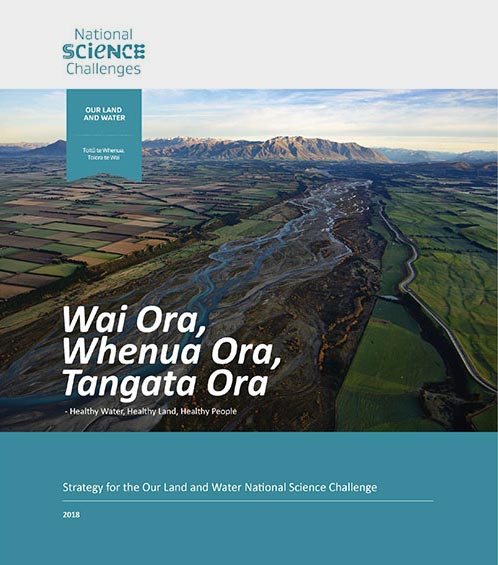
 View Our Strategy Document 2019 – 2024


August 30, 2024
Our Land and Water has now ended.
Our mission was to preserve the most fundamental treasures of Aotearoa – its land and water – while producing value from those same treasures.

News



Resource Finder
Use one, some or all the filters below to explore our resources, tools & research.
Know what you are looking for? Type below
Or, use our filtered search by selecting as little or as much as you like.
Showing 1 - 9 of 994 results

Summary
Double Data: Unlocking Opportunities for Data Sharing
What are the stumbling blocks to data sharing between our primary sector organisations and government agencies? A trial of a new approach with Beef +…

Infographic
Measuring Farmer Wellbeing in the Context of Regenerative Agriculture
A 2-page visual summary on assessing the impact of regen ag on the wellbeing of farmers and their community.

Technical Report
Collaborative expert judgement analysis of uncertainty associated with catchment-scale nitrogen load modelling with OVERSEER
The widespread view that use of OVERSEER-derived N loss estimates to set catchment-scale nutrient limits is an inappropriate use of this tool needs to be…

Interactive Tool
Matarau
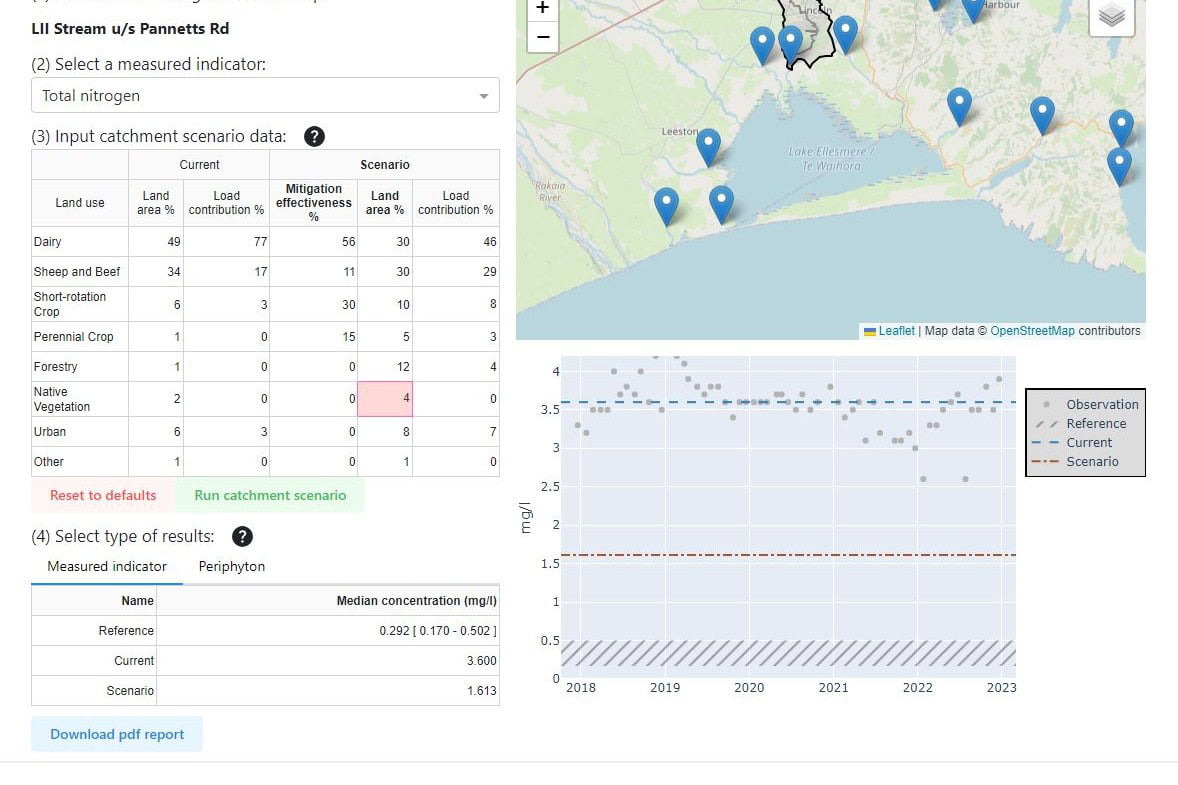
Decisions about the future use of whenua are complex and there are a lot of factors to consider. This tool brings together data and information…

Journal Article
Draft genome sequences of Escherichia spp. isolates from New Zealand environmental sources
Escherichia coli is often used as a fecal indicator bacterium for water quality monitoring. We report the draft genome sequences of 500 Escherichia isolates including newly described Escherichia species, namely Escherichia…
Infographic
Summary: Overseas Market Potential for NZ Regenerative Agriculture
A 1-page visual summary of a suggested approach to identify the market potential for New Zealand’s ‘regenerative’ practice.

Linking Legacies to Wai
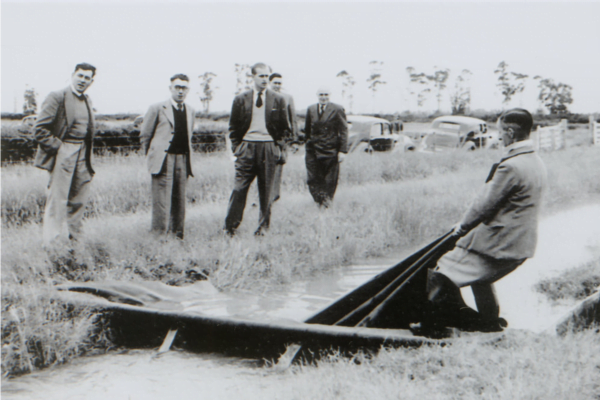
Accounting for lag times and natural concentrations of contaminants in groundwater
Summary
Futureproofing for our Grandchildren: Onenui Station, Tawapata South Inc
Read about a sheep and beef station on an East Coast Peninsula who express kaitiakitanga by diversifying their land-use practices and by entering into collaborations…

Presentation
Rewarding Sustainable Practices: Introducing the Value Chain Compass
Researchers from the Agribusiness & Economic Research Unit (AERU) were asked by Our Land & Water to investigate the role of value chains in rewarding…
Where are we conducting our research?
This interactive map shows the location of all our research projects to help connect you with the research happening in your catchment.
Hover over regions and click to see key information about the projects.
Our Key Collaborators