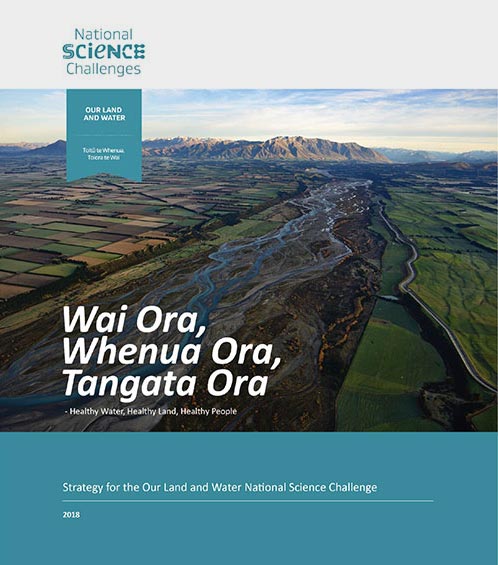
 View Our Strategy Document 2019 – 2024
August 30, 2024
Our Land and Water has now ended.
Our mission was to preserve the most fundamental treasures of Aotearoa – its land and water – while producing value from those same treasures.

News

Resource Finder
Use one, some or all the filters below to explore our resources, tools & research.
Know what you are looking for? Type below
Or, use our filtered search by selecting as little or as much as you like.
Showing 1 - 9 of 994 results

Journal Article
Quantifying contaminant losses to water from pastoral land uses in NZ II: The effects of some farm mitigation actions over the past two decades
In New Zealand the primary sector together with central and local government agencies have been promoting measures to mitigate the adverse effect of farming practices…
Journal Article
Municipal composts reduce the transfer of Cd from soil to vegetables
Cadmium (Cd) is a non-essential trace element that accumulates in agricultural soils through the application of Cd-rich phosphate fertiliser. Vegetables can accumulate Cd to concentrations…
Journal Article
Physiographic Environment Classification: a Controlling Factor Classification of Landscape Susceptibility to Waterborne Contaminant Loss
Spatial variation in the landscape factors climate, geomorphology, and lithology cause significant differences in water quality issues even when land use pressures are similar. The…
Journal Article
Long-term atmospheric carbon dioxide enrichment decreases soil phosphorus availability in a grazed temperate pasture
Elevated atmospheric carbon dioxide (eCO2) associated with climate change increases plant production and soil nutrient transformations. However, changes in soil phosphorus (P) availability and dynamics…

Summary
Te Mana o te Wai: Case Study Overview
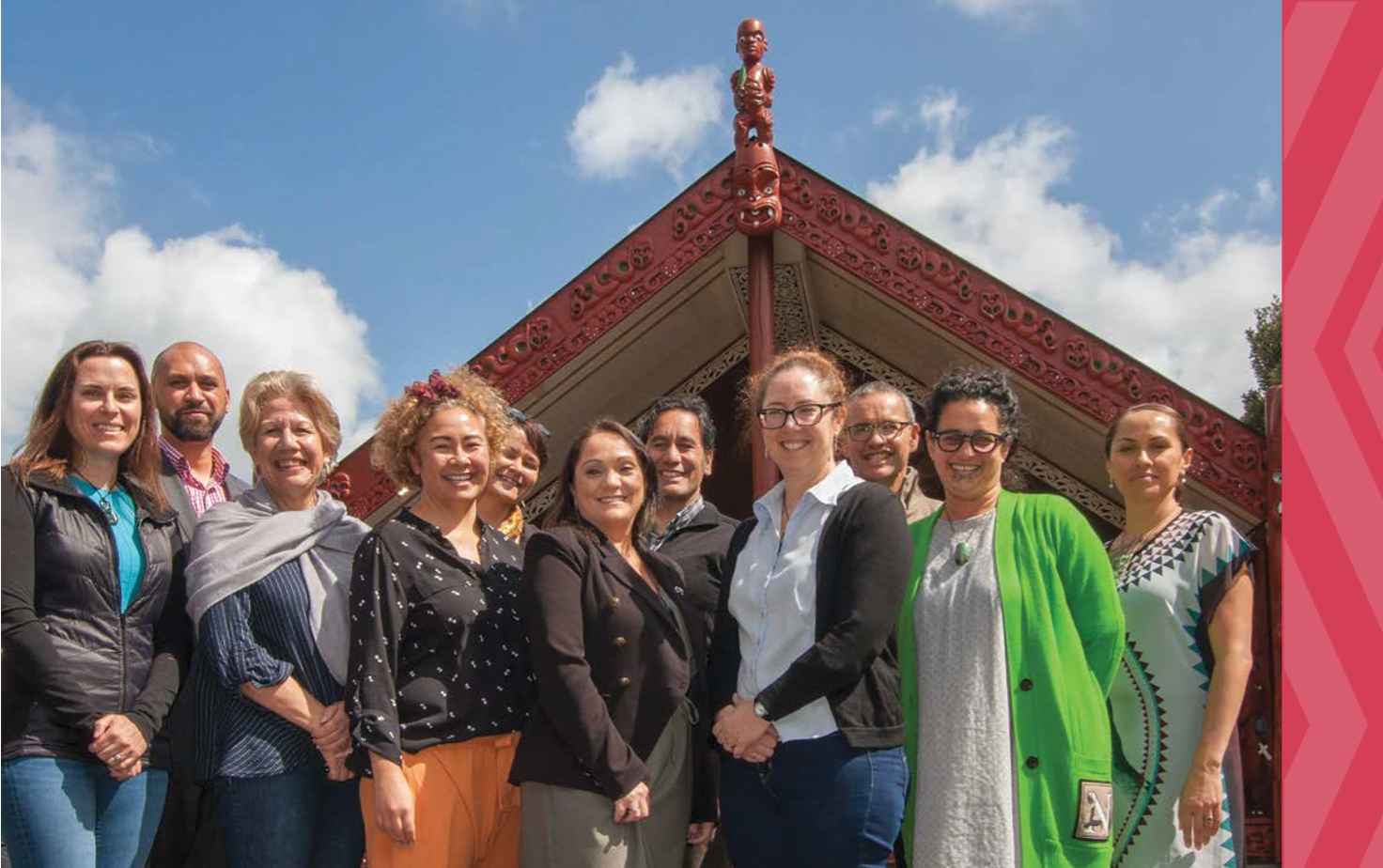
This summary provides an overview of the experiences of the four mana whenua case studies involved in implementing Te Mana o Te Wai. The case…
Summary
Study Shows Dairy Farm Work is Helping Improve Water Quality
The implementation of Good Management Practices on-farm does improve water quality, proves new research that analysed water quality trends over 20 years. As part of…

Technical Report
Tai-o-Rongo: Harnessing Kōrero Tuku Iho for Flourishing Land Management at Awhi Farms
Ngā Tohu o Tai-o-Rongo, in collaboration with the whānau at Ātihau Whanganui Awhi Farms, sought to address two important research questions: How do we build…

Video
Rere ki Uta, Rere ki Tai: Research Insights
Respect for oneone (soil) as a basis of learning about land management effects on te taiao including people, air, water, and relationships with the natural…
Journal Article
Meeting the Growing Need for Land-Water System Modelling to Assess Land Management Actions
Elevated contaminant levels and hydrological alterations resulting from land use are degrading aquatic ecosystems on a global scale. A range of land management actions may…
Where are we conducting our research?
This interactive map shows the location of all our research projects to help connect you with the research happening in your catchment.
Hover over regions and click to see key information about the projects.
Our Key Collaborators