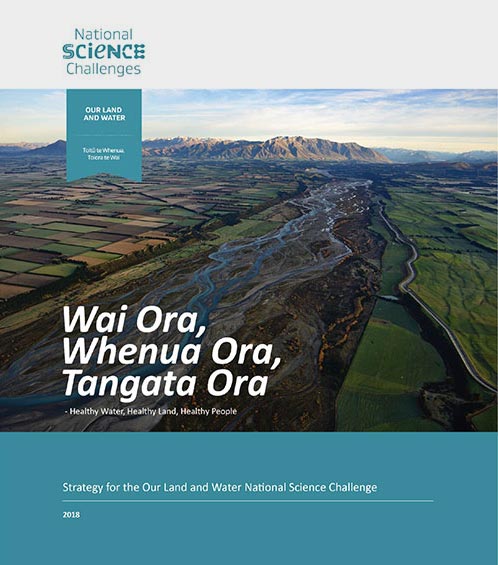
 View Our Strategy Document 2019 – 2024
August 30, 2024
Our Land and Water has now ended.
Our mission was to preserve the most fundamental treasures of Aotearoa – its land and water – while producing value from those same treasures.

News
Sorry, we couldn't find any posts.
Resource Finder
Use one, some or all the filters below to explore our resources, tools & research.
Know what you are looking for? Type below
Or, use our filtered search by selecting as little or as much as you like.
Showing 1 - 9 of 994 results

Guidance
Impacts of sediment on freshwater and estuarine and freshwater fish species
Sediment can affect freshwater and estuarine fish used for mahinga kai. This collection of fact sheets bring together existing scientific information on these effects, along…
Guidance
Impacts of sediment on giant kōkopu
This is one of a collection of 11 fact sheets bringing together existing scientific information on the impacts of sediment on freshwater and estuarine fish…

Technical Report
Soil health research in the context of regenerative agriculture
Soil is increasingly considered a ‘common good’, like water and air. In Aotearoa New Zealand, we also need to consider principles integral to understanding soil…

Video
Heartland Strong: Building rural resilience
Dr Bill Kaye-Blake presents at the Boma Grow Agri Summit, April 2019

Journal Article
Exploring the role of high-value crops to reduce agricultural greenhouse gas emissions in New Zealand
This study explores the potential benefits of transitioning from livestock farming to high-value alternative crops as a strategy for mitigating agricultural greenhouse gas (GHG) emissions…

Interactive Tool
LAWA: Actions for Healthy Waterways
The ‘Actions for Healthy Waterways’ topic on the Land, Air, Water Aotearoa (LAWA) website presents the land management actions that New Zealanders have taken throughout…

Summary
Rural and Urban Divide a Myth
There is a public perception in New Zealand of a deep and antagonistic chasm between rural and urban New Zealanders, supported by stories in media…
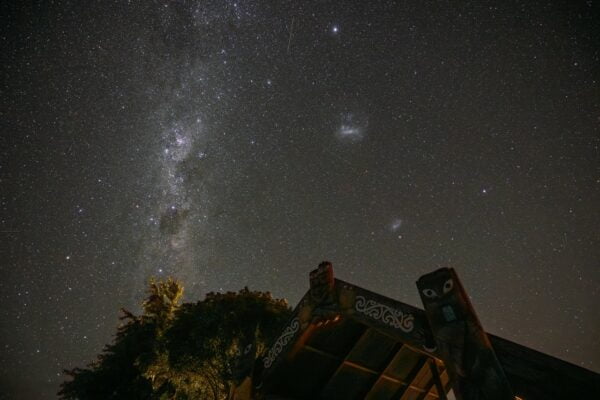

Ngā Tai-o-Rongo
Revitalising ancestral knowledge systems to provide a pathway for Māori landowners to work with the environment, rather than on the environment.
This project has produced

Journal Article
Nitrogen loads to New Zealand aquatic receiving environments: Comparison with regulatory criteria
There is concern about the deteriorating nutrient status of aquatic receiving environments in New Zealand. We estimated the amount by which current nitrogen (N) concentrations…
Where are we conducting our research?
This interactive map shows the location of all our research projects to help connect you with the research happening in your catchment.
Hover over regions and click to see key information about the projects.
Our Key Collaborators