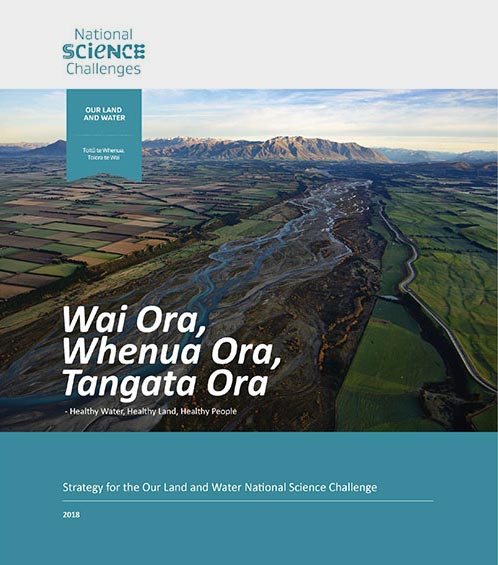
 View Our Strategy Document 2019 – 2024


August 30, 2024
Our Land and Water has now ended.
Our mission was to preserve the most fundamental treasures of Aotearoa – its land and water – while producing value from those same treasures.

News

Resource Finder
Use one, some or all the filters below to explore our resources, tools & research.
Know what you are looking for? Type below
Or, use our filtered search by selecting as little or as much as you like.

Pohewa Pae Tawhiti
Supporting land-use change decisions that are consistent with landowner long-range visions and priorities, through an integrated framework that incorporates tools, models and innovative guidelines and…
This project has produced


Technical Report
Future-proofing implementation and engagement plan: Purakaunui Block Incorporated
Pūrākaunui Block Incorporated oversees the management of a block of Māori freehold land at Pūrākaunui near Ōtepoti/Dunedin. The committee of Pūrākaunui Inc were looking to…

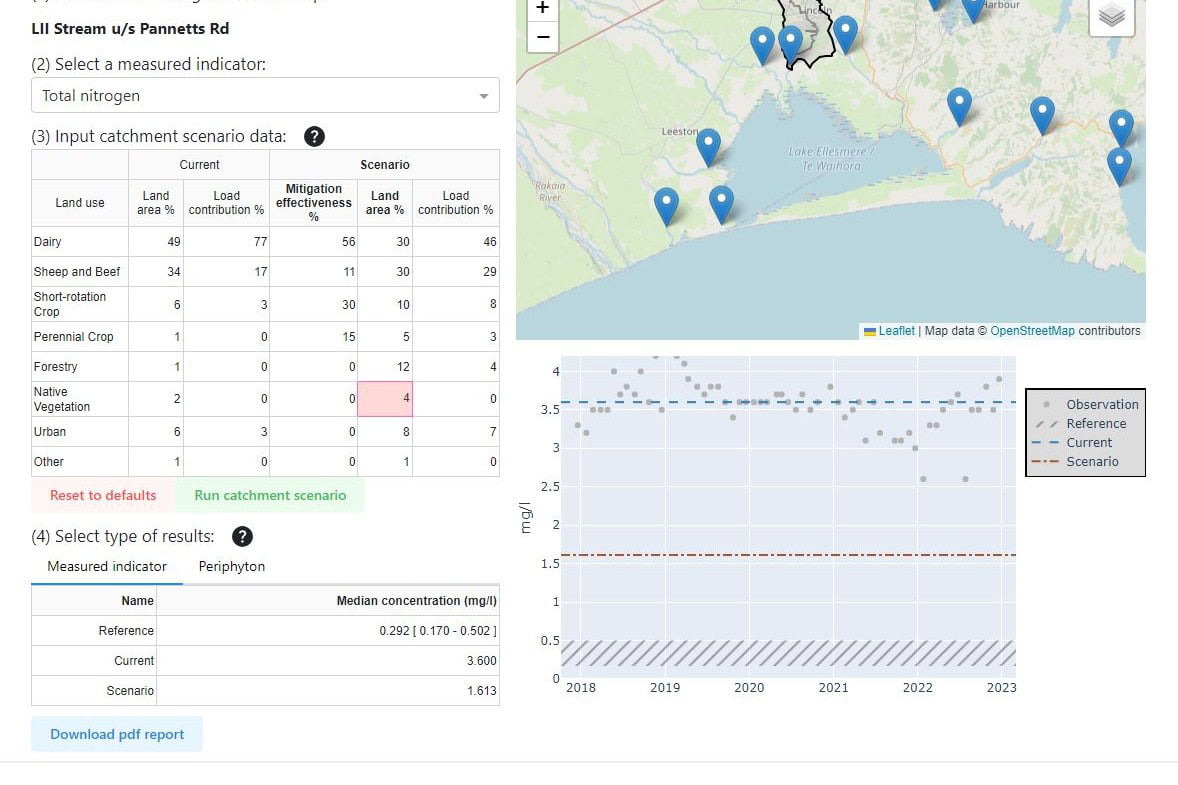
Interactive Tool
MitAgator
Built on a detailed farm map, MitAgator’s software gives a spatial view of where contaminant losses are occurring and identifies critical source areas (CSAs). Targeting…

Journal Article
Agrivoltaics: Integrating Solar Energy Generation with Livestock Farming in the Canterbury Region of Aotearoa New Zealand (pre-print)
Agrivoltaics is the integration of agriculture and solar energy production and seeks to find synergies between the two to create a complementary system. With increased…

Infographic
Summary: Determining GHG Reduction Potential Through Regenerative Agriculture
This infographic depicts the key processes contributing to greenhouse gas balance in agricultural systems with livestock, and outlines the proposed effects of regenerative agriculture and…
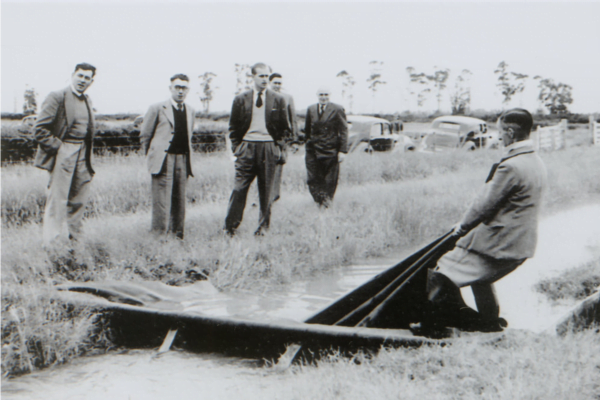
Linking Legacies to Wai
Accounting for lag times and natural concentrations of contaminants in groundwater

Summary
Project Summary: Does Improved Water Quality Increase Milk Production?
This article summarises the results of a Rural Professionals Fund project that aimed to investigate if providing high-quality (town supply) water compared with unfiltered bore…
Interactive Tool
Worker Requirements by Land Use
This dashboard estimates the number of full-time equivalent staff needed seasonally for different land-use scenarios. It can suggest complementary land uses to smooth out seasonal…
Journal Article
Beyond Sustainable Intensification: Transitioning primary sectors through reconfiguring land-use
Internationally there is a desire to transition farming systems towards more sustainable production in response to global and local social and environmental challenges. This transition…
Where are we conducting our research?
This interactive map shows the location of all our research projects to help connect you with the research happening in your catchment.
Hover over regions and click to see key information about the projects.
Our Key Collaborators