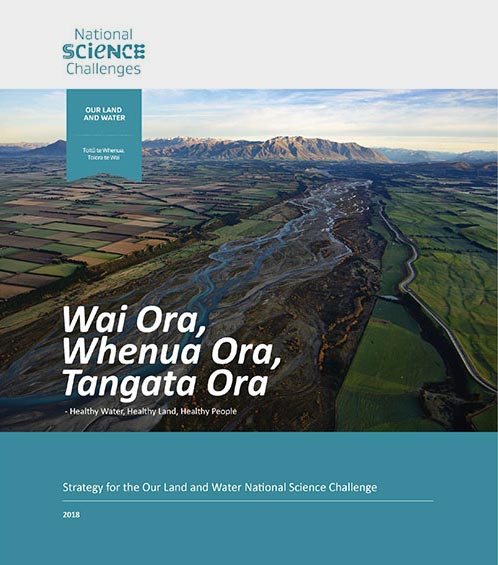
 View Our Strategy Document 2019 – 2024


August 30, 2024
Our Land and Water has now ended.
Our mission was to preserve the most fundamental treasures of Aotearoa – its land and water – while producing value from those same treasures.

News


Resource Finder
Use one, some or all the filters below to explore our resources, tools & research.
Know what you are looking for? Type below
Or, use our filtered search by selecting as little or as much as you like.
Showing 1 - 9 of 994 results

Journal Article
Meat insights: Uruguayan consumers’ mental associations and motives underlying consumption changes
A telephone survey (n = 601) was conducted in Uruguay to explore participants’ mental associations with meat and the underlying reasons changes in the quantity…

Technical Report
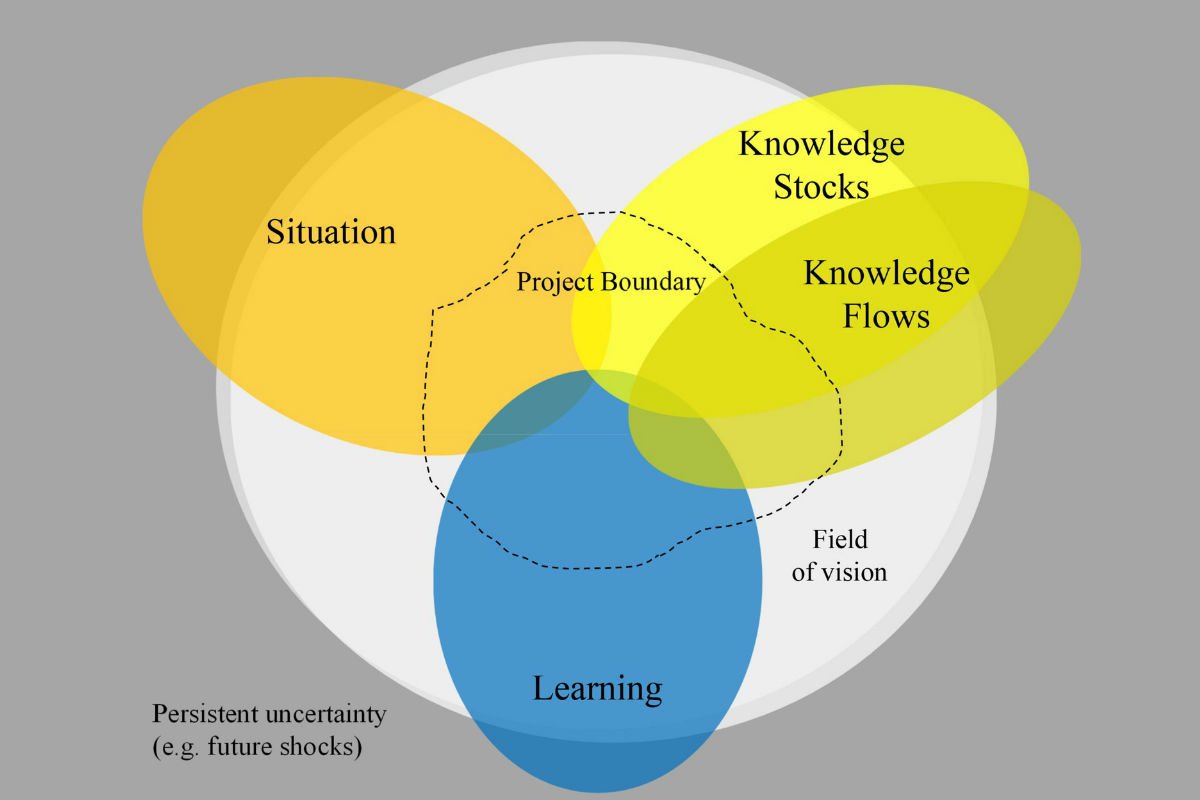
Nguturoa catchment ‘Seeing Understanding Believing’ project
The project focussed on building capability and capacity for change in the farming sector, to assist in creating new pathways towards future landscapes, by identifying…
Technical Report
National contaminant mapping of soil losses from surficial erosion: an analysis of livestock grazing pressures on soil losses across NZ
For the first time, a national-scale soil loss model of New Zealand has captured both inherent landuse properties, alongside high-resolution calculations of livestock grazing densities…

Presentation
Benign denitrification in the subsurface environment
Our Land and Water Symposium, April 2017

Linking Legacies to Wai
Accounting for lag times and natural concentrations of contaminants in groundwater
Technical Report
Relevance of the One World, One Health framework to farming in Aotearoa NZ – a perspective piece
This report is a perspective piece that suggests one possible approach for monitoring and assurance of regenerative agriculture in New Zealand. The approach is based…
Journal Article
Transferring the impacts of pilot-scale studies to other scales: Understanding the role of non-biophysical factors using field-based irrigation studies
Researchers are challenged to design research that can generate credible claims regarding cross-scale impact and adoption. However, the context in which new knowledge or innovation…

Video
Science for Policy – The Regulatory Process
This webinar describes the results of an in-depth study into the role that science played in the development of the National Policy Statement for Freshwater…
Technical Report
Kiwifruit leaf water content detection using Synthetic Aperture Radar (SAR) satellite technology: Final report
The outcomes of this work revealed the spatial and temporal variability of LWC over 6 monitored kiwifruit orchard blocks during a 5-month period. The research…
Where are we conducting our research?
This interactive map shows the location of all our research projects to help connect you with the research happening in your catchment.
Hover over regions and click to see key information about the projects.
Our Key Collaborators